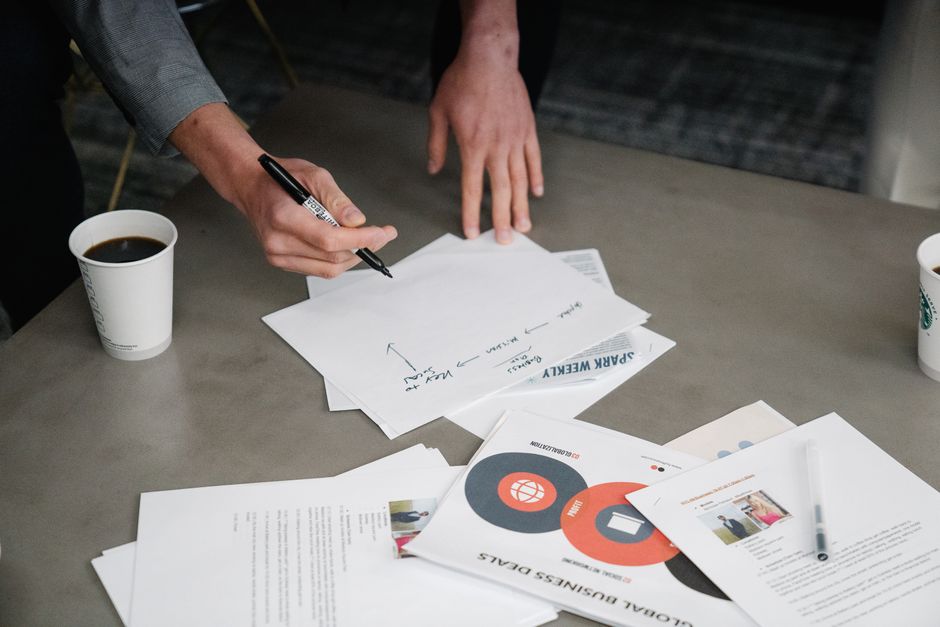
It's early morning at the kitchen table, and the sun is just starting to break through the window. A coffee mug sits next to a notebook filled with hastily jotted notes from yesterday's meetings. As you glance at the task list on your screen, you realize the deck for today’s presentation is still closed, and the meeting starts in just ten minutes. This moment, where you’re balancing the need to prepare and the desire to ensure everything runs smoothly, is critical. It’s easy to overlook the follow-ups that need to be sent out or the email drafts waiting for your attention, especially when the day feels packed with back-to-back commitments.
As you mentally map out the first work block, the calendar event pane highlights the looming deadlines, but the working document remains untouched. The friction of opening that document too late can lead to a cascade of rushed decisions, causing you to miss essential updates or lose track of key points that could affect your team’s communication. Each choice made in these moments—whether to check the task list first or dive straight into the meeting prep—can shift the balance between work obligations and family time, often in ways that aren’t immediately visible until the day unfolds.
The Morning Rush: When Choices Become Pressured
At the kitchen table, a half-empty coffee mug sits beside a notebook filled with hastily scribbled notes from last week’s meetings. The early morning light filters through the window as a team member scans their task list, noting the packed calendar ahead. Each slot is filled with back-to-back meetings, creating a palpable urgency that hangs in the air. The calendar event pane glows with reminders, but the working document for the first meeting remains closed, waiting for a click that never comes.
As the clock ticks closer to the start of the first call, the pressure mounts. The team member knows they need to send out follow-ups from yesterday’s discussions, but the thought of diving into that document feels overwhelming. Instead, they opt to review the task list again, hoping to catch any overlooked items. This choice delays the opening of the working document, which is crucial for effective team communication. With just ten minutes before the call, the deck for the presentation is still closed. That moment of hesitation could mean scrambling for information later, risking miscommunication and leaving family obligations hanging in the balance. Each decision, whether to check the document or focus on the task list, shapes the flow of the day and the time available for family interactions later on.
The First Decision: Skipping the Follow-Up
At the kitchen table, the early morning light spills over a cluttered task list and a half-full coffee mug. The calendar event pane on the laptop screen shows a meeting scheduled in just fifteen minutes. The team member glances at the email draft waiting to be sent, a follow-up from yesterday’s discussions. The thought of diving into that document feels daunting, especially with the clock ticking down. They consider sending the follow-up after the meeting, underestimating how quickly the day can spiral out of control.
Choosing to delay the follow-up email seems tempting, especially with the pressure of the impending meeting looming large. It feels like a small sacrifice—just a few minutes to review the task list again, ensuring no other items are overlooked. However, this choice creates a ripple effect. The working document remains closed, and as the meeting approaches, the team member realizes they haven't prepared adequately. The deck for the presentation is still untouched, and the potential for miscommunication increases, leaving them scrambling for information during the call.
To counter this friction, pinning the working document to the taskbar can serve as a visual reminder. This simple adjustment ensures it’s accessible right from the start of the workday. The next time they sit down, opening that document first could save precious minutes and reduce the risk of missing critical follow-ups. Each decision made in those early moments has a cascading effect, shaping not just the productivity of the workday but also the time left for family interactions later on.
The Cost of Delayed Action: Missing the Connection
A slightly different version of this problem appears in Balancing Work And Life, where the sequence changes but the hidden drag feels familiar.
Early mornings at the kitchen table can set the tone for the rest of the day. As the coffee brews, a team member sits down with a task list and the calendar event pane open on their laptop. Today is a meeting day, and the clock is ticking. The first task is to send a follow-up email regarding the project update, but instead, they get sidetracked by reviewing the presentation deck, which remains closed ten minutes before the call. This choice to delay action on the follow-up creates a gap in communication.
As the meeting approaches, the pressure mounts. Team members enter the call unprepared, and confusion arises over the project status. The team member realizes too late that without the follow-up email sent, critical information was left uncommunicated. This oversight not only impacts the meeting's effectiveness but also shifts focus away from family interactions later in the day. The time spent scrambling for clarity during the call could have been better spent engaging with family or preparing for the day ahead.
To mitigate this friction, a small adjustment can be made: pin the working document to the taskbar. This visual cue serves as a reminder to prioritize sending that follow-up email first, ensuring that it doesn’t slip through the cracks. By making this change, the team member can streamline their workflow and maintain better communication with their team, ultimately freeing up time for family later. Each choice made in those early moments has a cascading effect, influencing both work productivity and family time.
A Better Order: Prioritizing the Follow-Up
If this pattern keeps repeating, Writing Clearly At Work extends the idea without leaving the niche.
Before the first work block begins, the calendar event pane glows with reminders of the day ahead. A coffee mug sits nearby, steam curling into the air as the team member scans the task list on their laptop. The deck for the upcoming meeting is still closed, and the clock ticks down to the start time. In this moment, sending the follow-up email should take priority. By drafting and sending that email right after reviewing the task list, the team member ensures that critical information is communicated early, reducing the chance of scrambling for clarity later.
Choosing to focus on the email draft first minimizes stress and creates a clearer path for the meeting. If the follow-up is overlooked, the team member may find themselves distracted during the call, trying to recall details that should have been shared ahead of time. Instead of engaging with family later in the day, they could be sifting through notes or messages to catch up. By pinning the working document to the taskbar and opening it immediately after the task review, this small adjustment facilitates a smoother workflow. It’s a simple shift that emphasizes the importance of communication and helps maintain a balance between work obligations and family time, ensuring that both areas receive the attention they deserve. What Runs More Smoothly After That Opening the working document first thing in the morning can set a productive tone for the day. As the coffee brews, a quick glance at the calendar event pane reveals a packed schedule ahead. The first task is to draft an email for the upcoming meeting, but without the document pinned to the taskbar, it often gets overlooked until the last minute.
When the document is ready and visible, the team member can easily pull relevant points from it, ensuring that nothing critical slips through the cracks. This simple act of preparation allows for a smoother transition into the meeting, reducing the scramble to recall details later. The email draft, now filled with concise notes and key points, not only communicates necessary information but also reinforces the team’s workflow. By making this a routine step, the team member finds they can engage with family later without the nagging worry of forgotten follow-ups.
In contrast, if the document remains closed until ten minutes before the call, the team member risks feeling rushed and unprepared. The frantic search for notes can lead to missed opportunities for clear communication, which in turn can affect the quality of both work and family interactions. By prioritizing the email draft and keeping the working document readily accessible, the day unfolds with less friction and more focus on what truly matters.
As the day winds down, the small decisions made in the early morning can significantly impact how well family time is enjoyed later. If the working document remains unopened until the last minute, the team member may find themselves scrambling to recall essential details, which can lead to unnecessary stress and a lack of focus during family interactions. The coffee mug sits half-empty, a reminder of the rushed start, while the task list remains unchecked, signaling missed opportunities.
To avoid these pitfalls, consider making it a habit to pin the working document first thing in the morning, right alongside the calendar event pane. This simple adjustment ensures that everything needed for effective communication is at hand, allowing for a smoother transition between tasks and reducing the chances of follow-ups slipping through the cracks. By prioritizing this small action, the team member can feel more prepared and present, both at work and at home.
