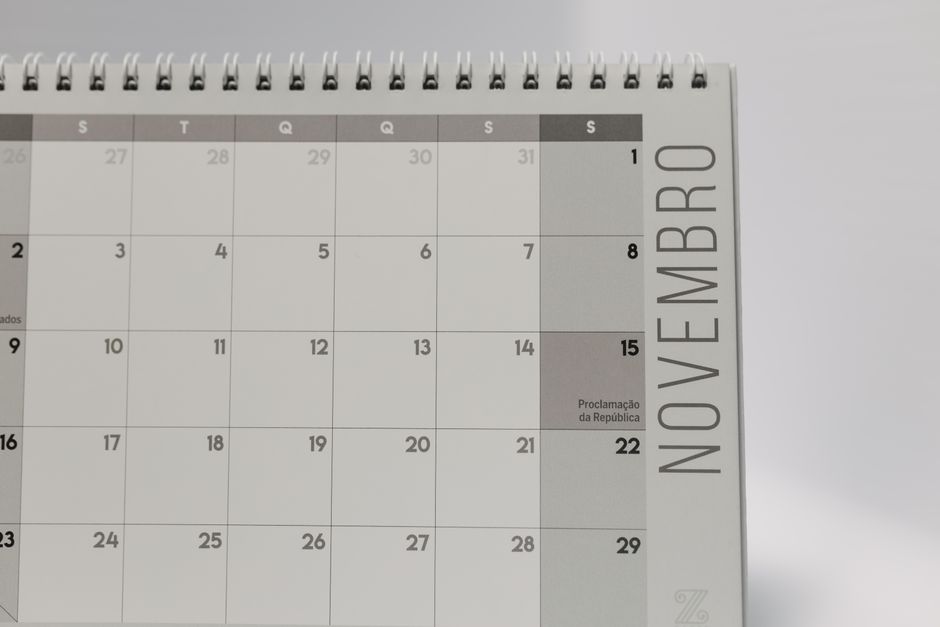
It's early morning at the kitchen table, and the coffee mug sits next to a half-open laptop, the screen glowing with a draft of an email. The first meeting of the day looms just thirty minutes away, but the task list remains untouched. With a quick glance at the calendar, it’s clear that the agenda for the call hasn’t been reviewed yet. The deck is still closed, and the clock is ticking down. As the minutes slip by, the pressure mounts to juggle family needs and work responsibilities, making it easy to overlook crucial details.
In the rush to get everything done, the agenda check often gets skipped, leading to a frantic scramble just before the meeting starts. This missed step can throw off the entire morning routine, creating friction that affects both work output and family interactions. By simply prioritizing the calendar review before diving into the email draft, it becomes possible to align the morning’s focus. A quick glance at the meeting agenda can clarify what needs to be addressed, allowing for smoother transitions between family tasks and professional obligations.
The First Step That Gets Skipped
At the kitchen table, the office worker cradles a steaming coffee mug while the laptop hums to life. The task list is open, and the calendar is pulled up, but the clock is ticking down to the first meeting. With the morning light streaming through the window, there’s a palpable focus to prioritize both family needs and work responsibilities. Yet, in the rush to get started, the agenda check often gets overlooked, leaving the meeting deck still closed just ten minutes before the call.
This oversight can create a ripple effect that complicates the entire morning. Without reviewing the meeting agenda first, the worker dives straight into drafting emails, only to realize later that critical points for discussion were missed. A simple adjustment—checking the calendar before opening distractions—could streamline the morning routine. By placing the agenda review at the forefront, the worker can align tasks effectively, ensuring a smoother transition between family interactions and professional obligations.
Where the Routine Breaks Down
A slightly different version of this problem appears in Balancing Work And Life, where the sequence changes but the hidden drag feels familiar.
The morning routine often falters at the moment the email draft window opens. With the clock ticking down to the first meeting, the worker instinctively starts typing out responses without first checking the meeting agenda. This oversight leads to a scramble for critical discussion points just moments before the call begins. The coffee mug sits half-full, forgotten, as the worker realizes that the deck is still closed, leaving them unprepared.
As the minutes pass, the pressure mounts. Without the agenda in front of them, the worker struggles to recall the meeting's focus, leading to confusion and a sense of disarray. Team communication suffers as they rush to gather information, sending frantic messages to colleagues for clarity. The initial snag in the routine—skipping the agenda check—creates a ripple effect, causing delays and increasing stress levels.
To mitigate this, a small yet effective adjustment is to pin the meeting agenda document to the top of the screen before diving into emails. This simple act ensures that the agenda is always visible, allowing for a quick reference that keeps the worker aligned with the meeting's objectives. By prioritizing this step, the worker can transition more smoothly between family interactions and professional obligations, reducing the chances of drifting off course.
Why This Mistake Happens Again
If this pattern keeps repeating, Writing Clearly At Work extends the idea without leaving the niche.
On a typical meeting-heavy morning, the worker sits at their kitchen table, coffee mug in hand, staring at a task list that feels overwhelming. With family needs pulling at their attention, the minutes slip away quickly, leaving little time for thorough preparation. The calendar shows the first meeting is in less than twenty minutes, yet the agenda check gets skipped in favor of hastily drafting an email. This rush creates a habit of prioritizing immediate tasks over the necessary checks that could enhance their readiness.
The hidden cause of this oversight often lies in the mental load of balancing work and family. As the clock ticks closer to the meeting, the worker feels the pressure mount, leading to a mindset that focuses on getting something done rather than ensuring it’s done well. The deck for the presentation remains closed, ten minutes before the call, while the worker frantically types an email draft, hoping to gather thoughts on the fly. A small adjustment, like pinning the meeting agenda document to the top of their screen before diving into emails, could serve as a crucial reminder to review the meeting's objectives first. However, the tradeoff remains: the urgency of family demands often overshadows the need for a clear workflow, leading to repeated mistakes in preparation. A Better Order for the Same Five Minutes Before diving into the email draft, take a moment to check the calendar and agenda first. This simple adjustment can significantly enhance your preparation for the morning's meetings. By ensuring that the agenda document is pinned at the top of your screen, you create a constant reminder of the meeting topics, reducing the likelihood of skipping this crucial step. This small shift in routine can help you stay focused and organized, especially when the pressure of family demands is at play.
- Pin the meeting agenda document to your desktop or taskbar.
- Check the calendar to confirm the meeting time and topics before opening your email draft.
- Review the agenda while sipping your coffee, ensuring you have key points fresh in your mind.
This adjustment fits neatly into your early morning routine, right before you start typing that email draft. By taking those few extra moments to check the agenda, you set yourself up for a more effective and focused meeting, reducing the chance of feeling unprepared when the call begins.
What to Check Before the Phone Takes Over
As the morning light filters through your kitchen window, the coffee mug sits steaming beside your laptop, ready for the day ahead. Before diving into your email draft, set a timer for five minutes to review your agenda and task list. This quick check can be the difference between a chaotic start and a focused morning. With the clock ticking, you’ll be more inclined to prioritize your preparation over the distractions that come with checking messages first.
Position your task list and meeting agenda side by side on your desk, ensuring they’re both visible. Open your calendar to confirm the meeting times and topics, then glance at your notes to identify key points you want to address. By establishing this sequence—reviewing the agenda before opening your email—you create a buffer that allows for concentrated preparation. If you skip this step, you risk entering the meeting unprepared, with the agenda still closed ten minutes before the call. This small adjustment can significantly enhance your ability to balance work and family demands throughout the day.
Easier Transitions After the Correction
With the agenda checked beforehand, the morning routine shifts dramatically. Instead of the usual scramble, the worker sits at the kitchen table with a steaming coffee mug, notebook open to the task list, and the calendar displayed on the laptop screen. This simple act of reviewing the agenda not only boosts confidence but also sets a tone of preparedness for the upcoming meeting. When the first meeting day arrives, the difference is palpable. The worker can easily recall key discussion points, making it easier to engage with team members and contribute meaningfully.
As the meeting wraps up, the transition to family responsibilities feels smoother. With the agenda fresh in mind, the worker can quickly pivot from discussing project updates to helping a child with homework or preparing lunch. This seamless shift reduces the stress that often accompanies juggling work and family tasks. The next time block, rather than being filled with anxiety over what was missed, becomes an opportunity to focus on family dynamics without the nagging thought of unfinished work.
To maintain this flow, the worker places the meeting notes in a designated folder on the desk right after the call, ensuring they are easily accessible for future reference. This small adjustment reinforces the habit of staying organized, allowing for a more efficient transition into the next work task or family engagement. By prioritizing agenda checks and keeping the workspace tidy, the worker can navigate the complexities of a meeting-heavy morning with greater ease.
When the morning routine feels chaotic, the simple act of checking the calendar before diving into emails can make a significant difference. This small change ensures that the agenda is front and center, allowing for a smoother transition into the first meeting. With the meeting notes readily available, the worker can quickly reference key points, ensuring nothing is overlooked while also preparing to engage with family tasks afterward.
As the coffee cools in the mug, taking a moment to pin the working document at the top of the screen can serve as a visual reminder of priorities. This way, when the meeting wraps up, the worker is not scrambling to remember what needs attention next. Instead, they can shift focus effortlessly from work to family, making the hectic morning feel more manageable and less stressful.