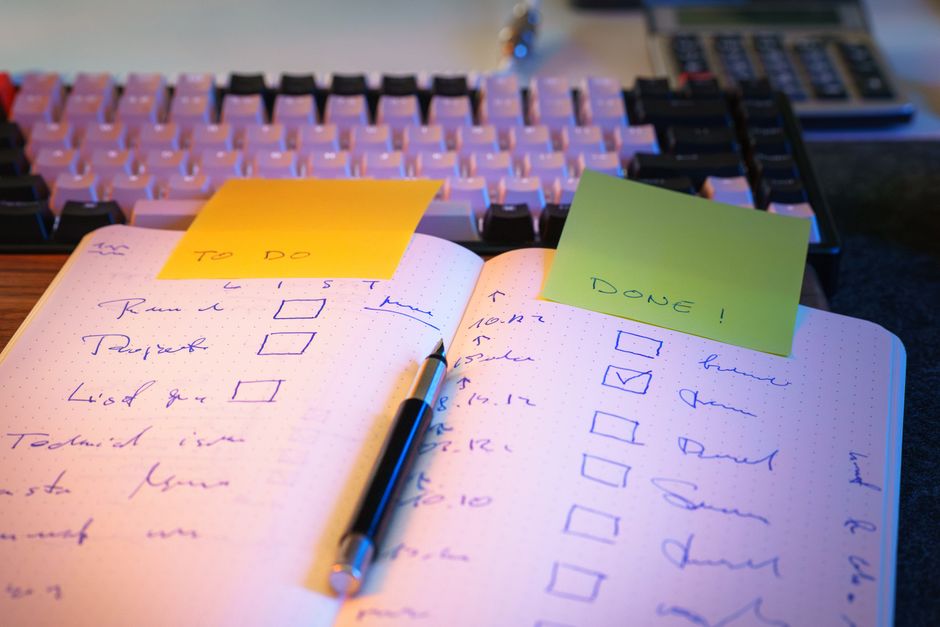
It's early morning at the kitchen table, where the coffee mug sits beside a cluttered notebook and a task list. The calendar event pane on the laptop screen flashes reminders for the day ahead, filled with back-to-back meetings. As the clock ticks closer to the first work block, the pressure mounts to finalize the agenda for the 9 AM team call. You reach for your notebook, but the agenda line is missing from your notes, a small but critical detail that could derail the entire meeting. Without it, follow-ups may slip through the cracks, leaving you scrambling to catch up later.
In the rush to prepare, the agenda check gets skipped. Instead of opening the working document first, you instinctively dive into emails, hoping to find the missing information. This choice creates a ripple effect: the longer you spend searching through your inbox, the less time you have to gather your thoughts for the meeting. As the minutes pass, the realization dawns that without that initial check, the flow of communication will falter, impacting not just your day but your team's workflow. A simple adjustment in your morning routine could make all the difference in capturing that crucial follow-up in your task list.
The Morning Rush: A Setup for Missed Steps
The kitchen table is a chaotic mix of a half-empty coffee mug, a well-worn notebook, and a laptop that’s already buzzing with notifications. It’s early morning, and the pressure mounts as you glance at the calendar on the screen, noting back-to-back meetings scheduled for the day. A quick check reveals that the first call is just thirty minutes away, and you scramble to gather your thoughts. The notebook, however, is missing key details; the agenda line for the 9 AM team call is blank, a critical oversight that could lead to missed follow-ups.
In the rush to prepare, the instinct is to dive into emails, hoping to find the missing agenda details. But this choice quickly eats into your precious preparation time. Instead of opening the working document first, which could help you organize your thoughts, you find yourself sifting through a cluttered inbox filled with distractions. The longer you search, the more you feel the weight of the clock ticking down. A simple adjustment—making it a habit to check your working document before emails—could streamline your workflow and ensure that you capture that crucial follow-up in your task list, preventing the day from spiraling into chaos.
The Agenda Check That Gets Overlooked
As the clock ticks toward your first meeting, the temptation to jump straight into work can be overwhelming. You glance at your calendar pane, noticing the 9 AM team call looming just fifteen minutes away. Instead of taking a moment to pull up the agenda document, you decide to dive into your task list, thinking you can catch up later. This choice feels efficient in the moment, but it leads to a scramble when the meeting starts and you realize you’ve missed critical points that were supposed to be discussed.
When the call begins, confusion reigns as you struggle to recall the key topics. Your notes are sparse, and the agenda line is blank, leaving you unprepared for the discussion. If you had opened the working document first, you could have quickly reviewed the agenda and captured a follow-up in your task list. Instead, you’re left with a sense of disarray, knowing that a simple check could have set a more organized tone for the day. The pressure of the morning rush turns a small oversight into a significant hurdle, highlighting how one decision can shift the entire flow of your work.
This same friction shows up again in Writing Clearly At Work, especially when the day tightens unexpectedly.
The Cost of Skipping the Agenda Review
As the clock ticks closer to your first meeting of the day, the kitchen table is cluttered with your coffee mug, a half-open notebook, and an ever-growing task list. You glance at the calendar event pane on your laptop, but instead of pulling up the agenda document, you dive straight into your task list. The morning feels rushed, and you convince yourself that you can catch up on the meeting details later. This decision seems practical at the moment, but it sets off a chain reaction that complicates your workflow.
When the meeting begins, you quickly realize that you’ve overlooked a crucial follow-up that was supposed to be addressed. The agenda line is blank in your notes, and confusion takes over as you scramble to recall the key points. This oversight forces you to draft a frantic email later in the day, trying to piece together what was missed. The immediate tradeoff is clear: by skipping the agenda review, you traded a few moments of preparation for a longer, more stressful task of backtracking. The cost of that small decision shows up later as you juggle multiple emails, all while wishing you had simply opened the working document first to capture everything accurately. A Quick Checklist for Morning Readiness Before diving into a busy meeting day, taking a moment to set up your workspace can significantly impact your workflow. Early mornings often feel chaotic, and it’s easy to overlook crucial details. Here’s a quick checklist to streamline your preparation:
- Open the working document first: This allows you to jot down immediate thoughts and ensures that no follow-ups slip through the cracks as you prepare for meetings.
- Review the agenda: Check the agenda line in your notes to confirm all follow-ups are noted. This simple action prevents confusion during discussions and keeps your contributions relevant.
- Alternative choice: Instead of diving straight into emails, take a moment to prioritize your task list. This helps you focus on what’s most urgent and keeps you aligned with your team’s goals.
By opening the working document first, you create a dedicated space for capturing notes, which reduces the chance of missing critical points during meetings. Skipping this step often leads to frantic email drafts later in the day, as you struggle to recall what was discussed. The small effort of preparing your workspace can save you from unnecessary stress and ensure smoother communication throughout the day.
Reaping the Benefits of a Better Routine
If this pattern keeps repeating, Balancing Work And Life extends the idea without leaving the niche.
Setting up your desk the night before can make all the difference during those hectic meeting-heavy mornings. When the coffee mug is filled and the task list is open, it creates a focused environment right from the start. Instead of sifting through a jumble of notes and emails, having the working document ready allows you to capture follow-ups as they arise. This small shift ensures nothing slips through the cracks, reducing the stress that comes from trying to remember details later.
As meetings progress, the clarity gained from this routine leads to more productive discussions. Each time you check off a follow-up in your task list, it not only reinforces your accountability but also streamlines your workflow. The agenda line, which previously might have been overlooked, becomes a reliable reference point. This simple act of preparation transforms your desk into a command center for effective team communication.
When you consistently open the working document first, you’ll find that the frantic email drafts that once consumed your afternoons diminish significantly. Instead, you can focus on refining your contributions during meetings. The carry-forward effect is clear: a well-prepared workspace fosters smoother interactions, ultimately making your workday feel more manageable. As you adapt to this routine, the initial friction of missing agenda items fades, replaced by a sense of control and readiness.
As you navigate those busy mornings filled with meetings, remember that the small act of opening your working document first can significantly influence your workflow. By doing this, you create a clear starting point for your day, ensuring that you capture follow-ups and agenda items that might otherwise slip through the cracks. This simple adjustment can transform your desk setup into a proactive space for tackling the day’s challenges.
Before your first meeting, take a moment to glance at your task list and ensure that any missed agenda items are noted. This check not only prepares you for the discussions ahead but also reinforces a habit of accountability. Each time you jot down a follow-up, you’re not just organizing tasks; you’re actively shaping a more manageable balance between work and family commitments.