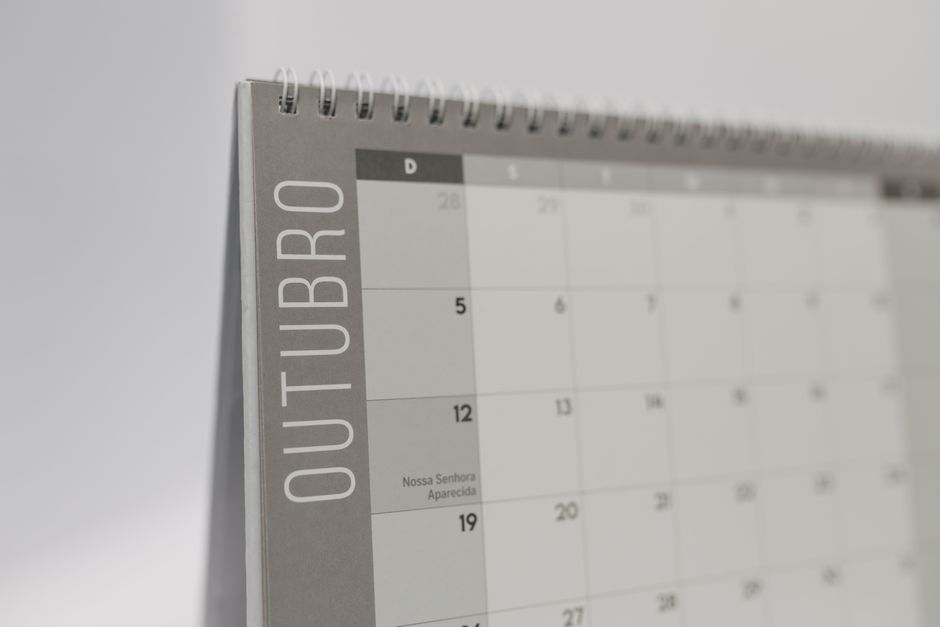
It’s early morning at the kitchen table, and the coffee mug sits beside a half-filled notebook. The laptop screen is open, displaying an email draft for a follow-up that needs to be sent before the first meeting of the day. The clock ticks closer to the start time, but the pressure of new email notifications keeps pulling focus. Each ping feels like a distraction, burying the important tasks that need attention. As the team member glances at the calendar, they realize that without a clear plan, the follow-up risks getting lost in the flurry of incoming messages.
Before diving into the email replies, a quick pre-meeting check could make all the difference. Instead of jumping straight into the inbox, taking a moment to review the task list can set the tone for the day. This small adjustment—prioritizing the calendar and tasks over immediate distractions—can reduce the friction of managing family and work responsibilities. By establishing a routine that includes this check, the team member can ensure that critical follow-ups don’t disappear under a pile of new emails, leading to a smoother transition between work blocks.
The Morning Setup That Should Work
Before the day begins in earnest, the kitchen table becomes a temporary command center. With a steaming coffee mug in hand, the team member sits down to review the task list. This quiet moment, just after sunrise, is crucial. The list is neatly laid out in a notebook, each item prioritized based on deadlines and importance. This simple act of reviewing tasks while savoring the first sip of coffee helps clear the mind and sets the intention for the day.
Next, the laptop opens to reveal a flurry of email notifications. Instead of diving straight into replies, a quick glance at the calendar is essential. The team member notes upcoming meetings and deadlines, which helps to frame the day’s workflow. This preemptive check prevents the common pitfall of getting lost in email threads, where important follow-ups can easily get buried. By acknowledging the calendar first, the team member can mentally map out the day’s priorities.
With the calendar checked, the email draft window is opened, but not yet filled with responses. Instead, a brief moment is taken to jot down any immediate follow-ups that need addressing. This action not only captures important points but also creates a visual reminder of what needs to be tackled after the initial work session. The sequence of checking the calendar, reviewing the task list, and preparing the email draft establishes a rhythm that minimizes distractions and maximizes focus.
Ultimately, this small adjustment in the morning setup—prioritizing a quick calendar check and a thorough task review—can significantly enhance productivity. It transforms the chaotic start into a structured approach, allowing the team member to transition smoothly into work without the nagging worry of forgotten follow-ups. As the first work block begins, the desk is now set up not just for tasks, but for a productive day ahead.
Where the Routine Starts to Falter
The morning routine begins at the kitchen table, where the coffee mug sits beside a cluttered notebook filled with tasks. As the clock ticks toward the start of the workday, a familiar email notification pops up on the screen, drawing attention away from the carefully prepared task list. This moment marks the first visible sign of drift, where focus shifts from essential priorities to the immediate distractions of incoming messages.
With the email draft window open but unfilled, a follow-up from yesterday’s meeting gets buried under a flurry of new replies. The result? Confusion about what needs immediate attention and what can wait. This misstep illustrates how easily the morning’s focus can be derailed. Instead of a structured approach to the day, the team member finds themselves scrambling to remember which tasks were urgent and which could be deferred.
To counter this, a quick pre-meeting check can be invaluable. Before diving into emails, take a moment to review the calendar and the task list. Jot down the top three priorities on a sticky note next to the laptop. This simple adjustment creates a visual anchor, reminding the individual of what must be tackled first. By prioritizing this small action, the desk setup transforms from a chaotic hub of distractions into a focused command center, ready for the day’s challenges.
Why This Breakdown Happens Repeatedly
This same friction shows up again in Balancing Work And Life, especially when the day tightens unexpectedly.
In the early morning, with a coffee mug in hand, the temptation to dive straight into emails can be overwhelming. This instinct often leads to a chaotic start, where urgent messages overshadow planned tasks. As new emails flood in, the original priorities become obscured, making it easy for important follow-ups to slip through the cracks. This disruption not only complicates task management but also creates a sense of urgency that can derail the entire day.
- Check the calendar for upcoming meetings before opening your email.
- List out the top three priorities for the day on a sticky note.
- Keep your email draft window closed until your main tasks are addressed.
By implementing a quick pre-meeting check, you can reclaim focus. Before opening your email, glance at your calendar and jot down your priorities. This small adjustment shifts the desk setup from a chaotic influx of messages to a clear roadmap for the day. When you prioritize this step, you create a buffer against the distractions that often lead to confusion about what needs immediate attention. This simple act of checking can mean the difference between a structured day and one filled with reactive chaos.
A Simple Correction to Change the Game
A slightly different version of this problem appears in Writing Clearly At Work, where the sequence changes but the hidden drag feels familiar.
Before the day begins, set a timer for five minutes to review your calendar. This small act, done at your home desk or kitchen table, can create a significant shift in your workflow. By prioritizing your tasks based on upcoming deadlines, you can avoid the chaos that often arises when urgent emails flood your inbox. The coffee mug sits beside you, and your notebook is open, ready for notes. Resist the urge to jump straight into your email app; instead, focus on what’s ahead.
As you glance at your calendar, jot down the top three tasks for the day on a sticky note. This simple correction allows you to establish a clear roadmap before distractions set in. When you check your calendar first, you’re less likely to let an unexpected email reply bury a crucial follow-up. Each morning, this pre-meeting check can help you maintain focus, ensuring that your most important tasks are front and center rather than lost in a sea of new messages. By implementing this adjustment, you create a buffer against the distractions that can derail your day, making it easier to balance family and work commitments.
One Checkpoint to Keep the Flow
Before diving into your next work block, take a moment to check off completed tasks in your notebook. This simple act serves as a crucial checkpoint, helping to prevent the drift that often occurs when transitioning between responsibilities. Early in the morning, while your coffee mug steams beside you and the kitchen table is cluttered with notes, open your notebook and review what you've already accomplished. This visual cue reinforces your progress and sets the stage for what’s next.
As you prepare to shift your focus, create a quick bullet list of tasks that are still pending. For instance, jot down items like "finalize email draft for client follow-up" or "review team communication for meeting prep." By doing this, you not only clarify your priorities but also ensure that essential tasks don’t get buried under new emails that flood your inbox. This small adjustment can significantly enhance your workflow, allowing you to keep critical follow-ups visible and actionable, rather than letting them slip through the cracks during busy moments.
What Becomes Easier After the Change
The moment you shift your focus to the task list instead of the email draft window, the change in your workflow becomes apparent. As you sip your coffee, the clutter on the kitchen table transforms from a source of distraction into a roadmap for the day. You glance at your calendar, noting the upcoming meetings and deadlines, which helps you prioritize your tasks more effectively. This simple act of reviewing your priorities sets a clear direction for your next work block.
With fewer distractions from incoming emails, your ability to concentrate deepens. Instead of constantly checking your inbox, which often leads to important follow-ups getting buried under a mountain of new messages, you can dedicate this time to completing your task list. For instance, you might find that finalizing that email draft for a client feels less rushed and more thoughtful, allowing for better communication and stronger team collaboration.
As you wrap up your first work block, the clarity gained from this adjustment leads to a noticeable difference in your next session. You can approach team communication with a renewed focus, ensuring that you’re not just responding to emails but actively engaging in discussions that matter. This proactive mindset not only enhances your productivity but also reduces the stress that often accompanies juggling family and work responsibilities. By keeping your priorities visible and actionable, you create a smoother workflow that ultimately benefits both your professional and personal life.
Before diving into the day's tasks, take a moment to check your calendar and prioritize your email drafts. This simple act can prevent important follow-ups from getting lost in the shuffle of incoming messages. As you sip your coffee, glance at your task list and identify the top three items that need your attention. This not only sets a clear direction for your work block but also allows you to manage your time effectively, ensuring that family responsibilities are not overshadowed by work demands.
By implementing this quick check-in at your home desk or kitchen table, you create a structured approach to your morning routine. It’s a small adjustment that can lead to a more organized workflow, allowing you to transition smoothly between work and family commitments. Next time you sit down to work, make it a habit to review your calendar first. This will help you stay on track and maintain focus, reducing the likelihood of distractions that could disrupt your balance.